
Best Electric Cars for Sri Lanka in 2026: Range, Charging and Real Running Costs
By Galle Enterprises Editorial · 18 July 2026 · 7 min read
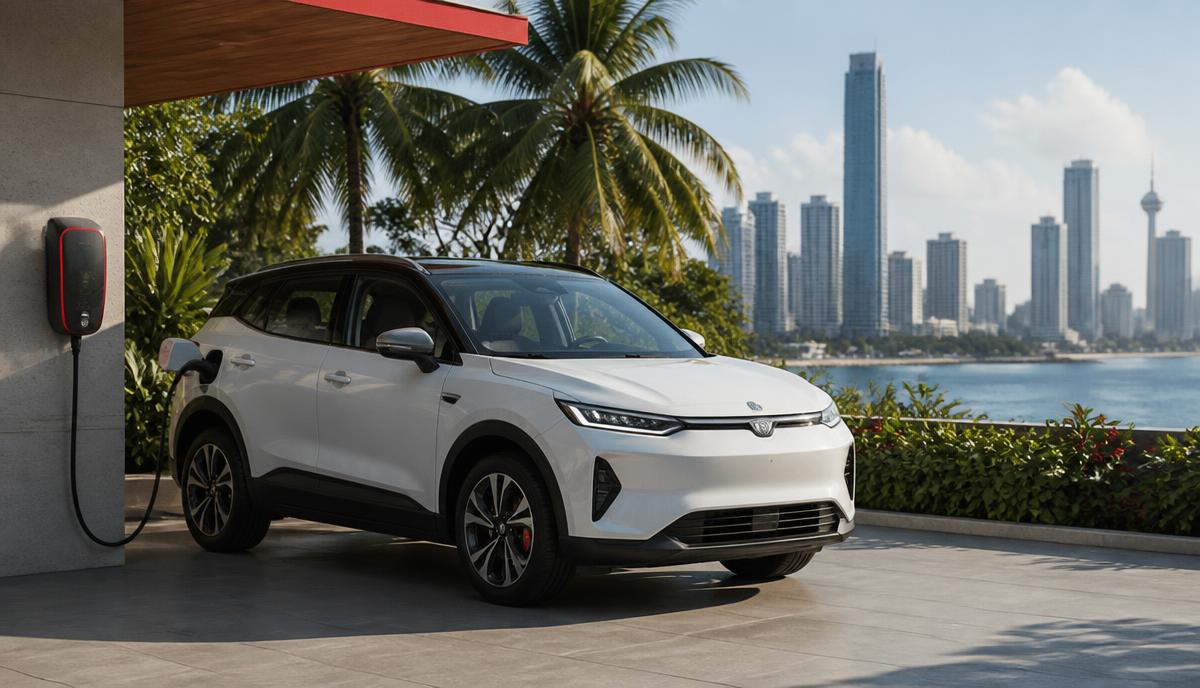
Electric vehicles now make commercial sense in Sri Lanka for the first time — not because of the purchase price, but because of the gap between electricity and fuel costs. The question is no longer whether an EV works here, but which one survives our roads, our charging gaps and our parts supply.
Range that survives Colombo traffic
Manufacturer range figures assume steady speeds and mild climates. In stop-start Colombo traffic with air conditioning running, plan on 70-80% of the quoted WLTP figure. A 400km-rated car realistically delivers around 300km, which is still comfortably a Colombo-Kandy round trip with margin.
For anyone regularly driving to Jaffna or the East, the practical minimum is a rated range above 400km unless you are willing to plan charging stops.
Charging: excellent in the west, thin elsewhere
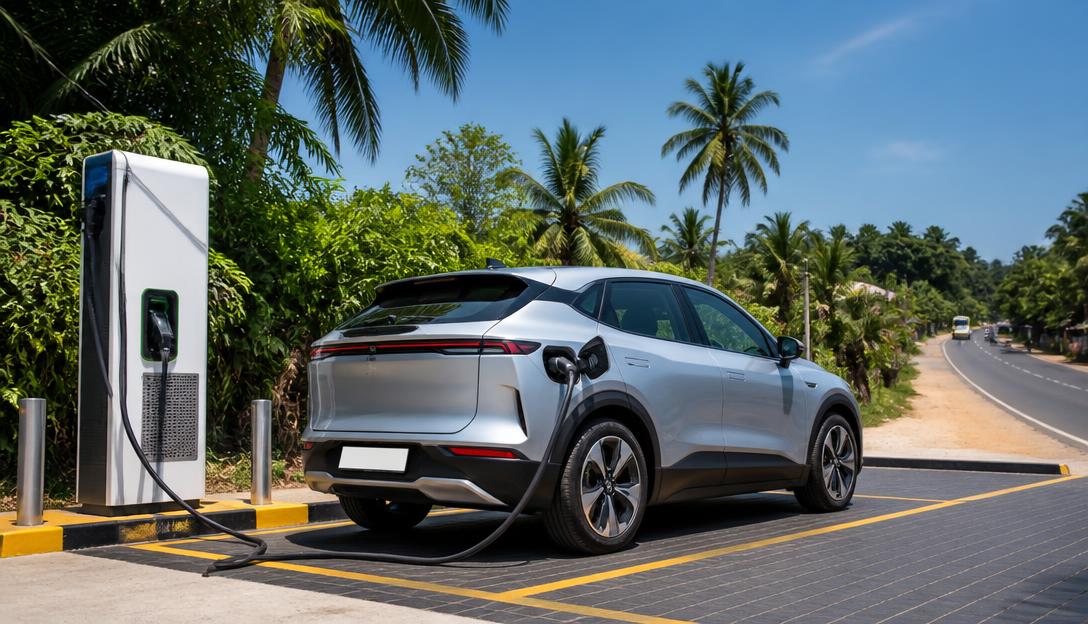
Colombo, Kotte, Negombo and Kandy have solid DC fast-charging coverage. Coverage along the Southern Expressway is improving. The North, East and hill-country interior remain patchy, so a home charger is not optional — it is the primary charging method for almost every Sri Lankan EV owner.
A 7kW home AC charger on a three-phase connection will fill most batteries overnight. Budget for the charger and the wiring work as part of your purchase decision.
Running cost versus a hybrid
At current CEB domestic tariffs, charging at home costs a fraction of petrol per kilometre. Over 20,000km a year the saving against a comparable 1500cc petrol car is substantial, and against a hybrid it is still meaningful — enough to offset a higher landed cost within a few years for high-mileage drivers.
The counterweight is battery health. Always request a state-of-health report on any used import; a battery below 85% SOH changes the economics completely.
Models worth importing right now
The BYD Atto 3 and Dolphin lead on value and parts availability. The Nissan Leaf remains the cheapest entry point but check battery degradation carefully on older units. The MG ZS EV offers SUV practicality, and the Toyota bZ4X appeals to buyers who want dealer-grade service confidence.
Frequently asked questions
Are electric cars cheaper to import to Sri Lanka than petrol cars?
EV excise duty is banded on motor power in kW rather than engine cc, which usually works out favourably for lower-powered EVs. Higher-performance EVs can attract duty comparable to a large petrol engine.
How long does an EV battery last in Sri Lankan conditions?
Heat accelerates degradation, so expect slightly faster capacity loss than in temperate markets. Well-managed packs still hold above 80% health after eight to ten years.
Can I charge an EV from a normal home socket?
Yes, but a 13A socket adds only around 10-15km of range per hour. A dedicated 7kW wall charger is strongly recommended.
Get an exact landed cost for your vehicle
Use the Galle Enterprises valuation engine for a line-by-line duty and landed cost estimate in LKR.
Open the valuation calculator